
Your carbon report is wrong if it stops at 6pm
Fuel does not clock off. If a report models a ten hour day, it is describing a site that does not exist and a saving that will not appear on the invoice.
There is a convention in temporary power reporting that goes largely unexamined: model the working day, multiply by the working days, present the total. It is tidy, it is quick, and it quietly removes between a third and a half of the hours in which fuel is actually consumed.
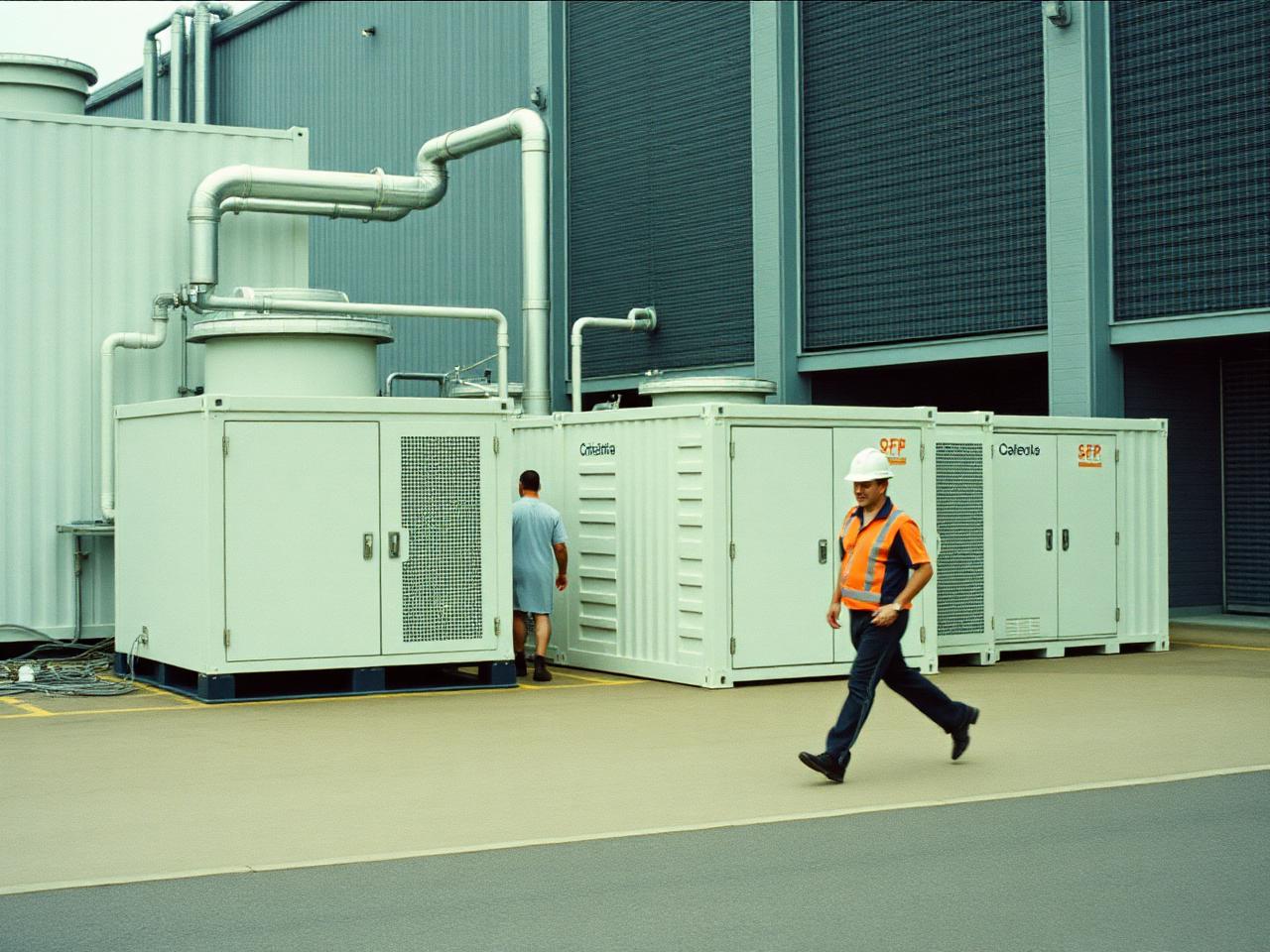
A generator on a live compound is rarely switched off at the end of a shift. Frost protection, security, comms and battery charging all continue. The load is low, which is precisely why it is easy to forget, and precisely why it is inefficient.
What changes on a 24 hour basis
- /Fuel volumes rise, because the overnight hours enter the model instead of being discarded
- /The hybrid case gets stronger, because the battery is credited for the hours it earns its keep
- /Cost per week starts matching the invoice, which is the only test that matters
- /Carbon figures become comparable between projects, rather than depending on each estimator's assumed day length
A model that agrees with the fuel invoice is worth more than a model that flatters the proposal.
The awkward part
Moving to a full day basis makes some numbers look worse before it makes them look better. Total litres go up. Total carbon goes up. Nobody enjoys presenting a bigger figure than they presented last month for a similar job.
The compensation is credibility. When a client's own fuel records land alongside your report and the two roughly agree, every other number in the document inherits that trust. When they disagree by forty percent, the conversation is no longer about carbon, it is about whether your figures mean anything.
Print the assumptions
A defensible report states its inputs plainly: the quoted load, the day and night split, the assumed load factor, the fuel price used, the project duration and the quiet hours claimed. Anyone reviewing it should be able to disagree with a single assumption and see exactly which line it moves.
That is a higher standard than most temporary power reporting currently meets, and it is not a difficult one. It mostly requires deciding that a day has twenty four hours in it.
Try it on your next site
Sizr applies this thinking automatically on every job, and prints the assumptions alongside the answer.
Keep reading